


Analyzing Romance Tropes: Enemies to Lovers, Fake Dating, and Why They Work
Romance fiction has a shared language, and tropes are its vocabulary. Whether you're a reader trying to explain why certain stories hit differently, or a writer looking to build genuine emotional resonance, understanding how tropes function — structurally and psychologically — changes everything about how you engage with the genre.
What Is a Romance Trope and Why Does It Matter?
A romance trope is a recurring narrative pattern or situation that sets up the emotional dynamic between characters. Think of it as a reliable container for tension, longing, and eventual connection — not a formula, but a framework.
The word "trope" sometimes gets conflated with "cliché," but that's a misreading. A cliché is a worn-out expression used without thought. A trope is a structural tool that authors deploy intentionally, knowing readers come with built-in expectations. Those expectations are exactly what makes the payoff so satisfying when it lands — or so interesting when it doesn't.
In romance fiction, tropes do specific work: they create romantic tension, define the shape of the character arc, and signal to readers what kind of emotional experience they're signing up for. When a reader picks up a fake dating story, they're not looking for surprise — they're looking for the particular pleasure that premise delivers. The trope is a promise.
Enemies to Lovers — Conflict as the Foundation of Chemistry
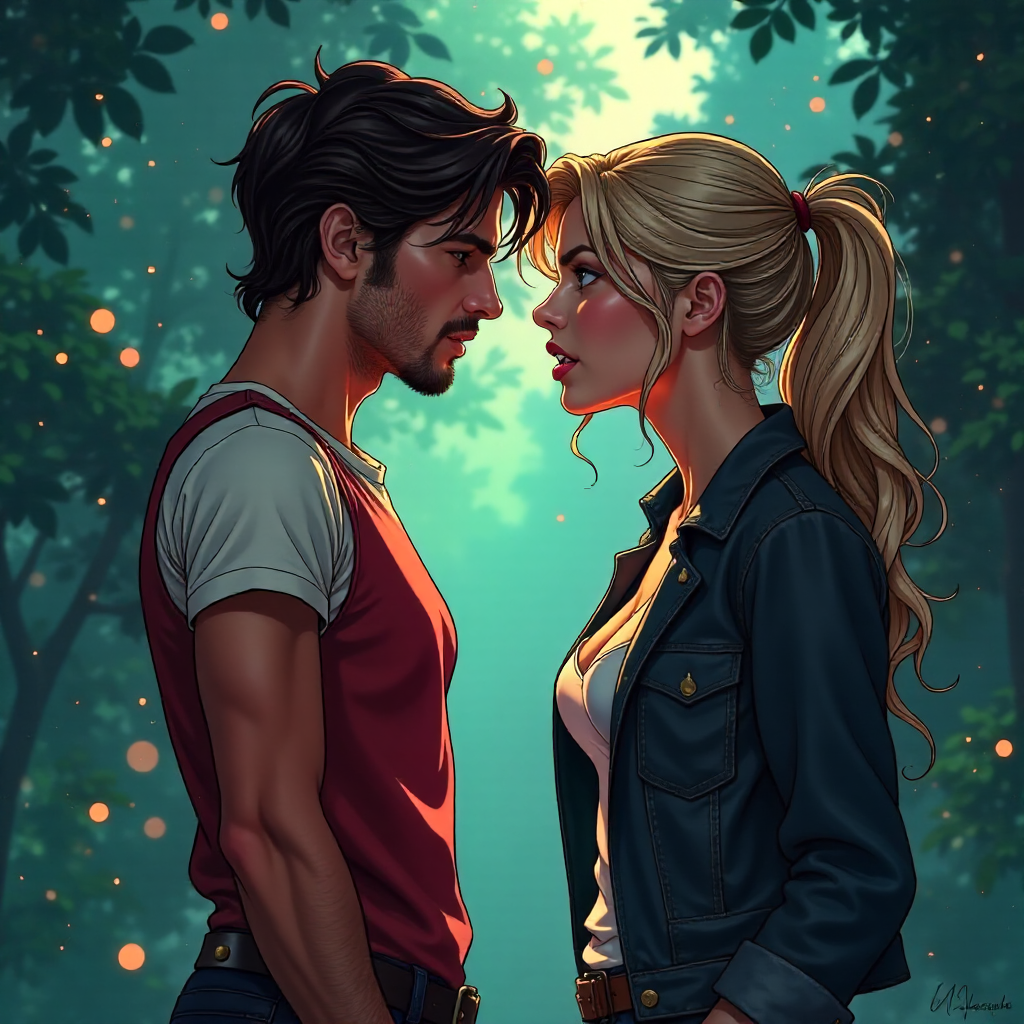
Enemies to lovers works because hostility and attraction run on the same emotional circuitry. The trope takes two characters who actively oppose each other and asks: what happens when that opposition becomes impossible to sustain?
The structure follows a recognizable arc. First, there's the source of conflict — a rivalry, a betrayal, a fundamental clash of values or goals. This isn't mere dislike; the best versions of this trope establish stakes that make the antagonism feel real and earned. Then comes the shift: forced circumstances, a moment of unexpected vulnerability, or a revelation that reframes everything one character thought they knew about the other.
What makes the emotional payoff so powerful is the distance traveled. Readers have watched these two people fight, misread each other, and protect themselves behind walls of contempt. When those walls finally come down, the release is proportional to how long and convincingly they were held up. The tension-to-tenderness arc is essentially a pressure cooker — the longer the heat builds, the more satisfying the release.
There's also something psychologically compelling about the idea that someone who truly sees your worst self can still choose you. That's wish fulfillment with real emotional weight.
Fake Dating — Intimacy Built on a Lie
Fake dating generates its tension from a single, elegant contradiction: two people pretending to be in love while actually falling in love. The manufactured premise does a lot of narrative heavy lifting.
First, it creates forced proximity. The characters have a reason — an external obligation — to spend time together, touch each other, learn each other's habits. This removes the awkward negotiation of early attraction and drops them straight into the behavior of intimacy before the feelings have caught up. The result is a kind of emotional acceleration that feels both rushed and inevitable.
Second, it lowers their defenses in a specific way. Because the relationship is "fake," characters often let themselves feel things they'd otherwise guard against. The lie becomes a loophole. She can hold his hand at the family dinner because it's just for show — except it isn't, and she knows it, and readers know it, and that gap between what characters admit and what they feel is where dramatic irony lives.
The inevitable complication — when the lie must be revealed or the arrangement must end — forces characters to confront what they've actually built. That moment of reckoning is the emotional core of every fake dating story, and it almost never gets old because the path to it is always slightly different.
Other Fan-Favorite Tropes Worth Knowing
Beyond the two headliners, romance fiction has a rich ecosystem of tropes that each create distinct emotional textures. A few worth understanding:
- Forced proximity — Snowstorms, broken elevators, shared apartments. When circumstances trap characters together, the story removes their ability to avoid each other and their feelings. It's a pressure cooker with no exit, and readers love watching characters run out of excuses.
- Second chance romance — Two people who loved each other before, separated by circumstance or mistake, finding their way back. The trope carries the weight of history — readers feel the grief of what was lost alongside the hope of what might be rebuilt.
- Grumpy/sunshine — One character is closed off, sharp-edged, or cynical; the other is warm, open, relentlessly optimistic. The appeal is watching the sunshine character find the crack in the grumpy character's armor — and watching the grumpy character learn to let light in without losing themselves.
- Forbidden love — Boss and employee, rivals from opposing families, someone sworn to a duty that makes love impossible. The obstacle is built into the premise, which means every moment of connection carries the shadow of what it costs.
Each of these tropes works because it creates a specific kind of obstacle. The obstacle defines the shape of the character arc — what each person has to change, accept, or risk in order to reach the HEA or HFN ending the genre promises.
The Role of Slow Burn in Making Tropes Land
Slow burn isn't a trope — it's a pacing strategy, and it's what separates a good romance from an unforgettable one. The principle is simple: delay the gratification, and the payoff multiplies.
Almost every major romance trope benefits from slow burn execution. In enemies to lovers, it means the thaw happens gradually, in small moments that accumulate rather than a single dramatic reversal. In fake dating, it means the real feelings develop in the background, half-acknowledged, before they become impossible to deny. The reader is often aware of the emotional truth before the characters are — and that gap is where the tension lives.
What slow burn actually does is invest the reader in the outcome. By the time two characters finally get together, readers have spent chapters wanting it, dreading it won't happen, and cataloguing every near-miss. The emotional payoff isn't just about the characters — it's about the reader's own accumulated longing. That's why a well-executed slow burn first kiss can feel more satisfying than an entire action sequence in another genre.
The risk with slow burn is losing momentum. Pacing has to keep moving even when the romantic resolution is being withheld. Plot, character development, and escalating stakes all do the work of keeping readers engaged while the central tension simmers.
Subverting Tropes — When Breaking the Rules Works
Trope subversion works when it surprises readers without betraying the emotional contract they signed up for. The key distinction: subversion plays with how a trope unfolds, not whether the story ultimately delivers.
A skilled author might take the enemies to lovers structure and reveal that the "enemy" dynamic was based on a misunderstanding one character manufactured — suddenly the power dynamic shifts, and the emotional reckoning goes somewhere unexpected. Or a fake dating story might have both characters fully aware they're developing real feelings, turning the dramatic irony inward: the lie they're now maintaining is to each other, not to the world.
What these subversions share is intentionality. The author understands the trope's mechanics well enough to know which element to flip and what effect that flip will produce. Random deviation from trope conventions usually just feels like a story that doesn't know what it is. Deliberate subversion feels fresh while still honoring the emotional logic readers came for.
The HEA and HFN conventions are worth noting here. Most romance readers consider these non-negotiable — the genre's foundational promise. Subverting the path to the happy ending is fair game. Subverting the ending itself tends to land badly, not because readers can't handle complexity, but because it breaks the genre contract entirely.
How Understanding Tropes Makes You a Better Reader (and Writer)
Trope literacy deepens your experience of romance fiction in both directions — as a reader and as a writer. Once you can name what a story is doing, you start to see how it's doing it, and that opens up a different kind of pleasure.
For readers, understanding tropes gives you language for your own preferences. Knowing you're drawn to slow burn enemies to lovers rather than insta-love second chance helps you find books that will satisfy you and articulate why certain stories stay with you. It also makes you a more generous reader — when a trope feels familiar, you can appreciate the craft of execution rather than dismissing the premise as predictable.
For writers, tropes are a starting point, not a destination. The question isn't "which trope should I use?" but "what does this trope make possible for these specific characters?" Romantic tension doesn't come from the premise — it comes from the characters' specific psychology, histories, and wants colliding within that premise. The trope provides the container; the writer fills it with something irreplaceable.
The most useful frame is to think of tropes as a conversation between author and reader. The reader arrives with expectations shaped by every fake dating or enemies to lovers story they've read before. The author's job is to meet those expectations in ways that feel both familiar and entirely new — which is, when you think about it, exactly what falling in love is supposed to feel like.
Frequently Asked Questions
What is the difference between a trope and a cliché in romance fiction?
A trope is a narrative pattern used with intention — the author understands its mechanics and deploys it to create specific emotional effects. A cliché is a trope (or phrase, or situation) used without thought, relying on familiarity as a substitute for craft. The same enemies to lovers setup can be a compelling trope in one book and a cliché in another, depending entirely on execution.
Can a romance novel use more than one trope at the same time?
Absolutely — and most do. Fake dating and forced proximity are natural partners. Enemies to lovers frequently runs alongside slow burn. Grumpy/sunshine often appears inside a second chance framework. Tropes layer well when they create complementary tensions rather than competing ones. The key is that each trope should be serving the central relationship, not just adding plot complexity.
Why is enemies to lovers so consistently popular with readers?
The trope taps into something deep: the idea that someone who has seen your sharpest, most defended self can still choose you. It also delivers the longest possible arc of transformation — from active opposition to genuine love — which means the emotional payoff is proportionally enormous. The conflict makes the connection feel earned in a way that few other setups can match.
Do all romance novels need to end with an HEA?
By genre convention, yes — though the HFN (Happy For Now) ending is widely accepted as a valid alternative, particularly in series where the relationship continues across books. What romance readers generally consider non-negotiable is an emotionally satisfying resolution for the central couple. Stories that end in tragedy or unresolved separation typically get shelved under "romantic fiction" rather than romance proper.
How do I know which trope fits the story I want to write?
Start with your characters' core wound or fear, then ask which trope creates the conditions that force them to confront it. If your protagonist's arc is about learning to trust after betrayal, fake dating or enemies to lovers might create exactly the right pressure. If it's about letting go of the past, second chance romance does that work naturally. The trope should feel like it was built for your characters — not the other way around.