

The Evolution of Romance Fiction: From Classic to Contemporary
Origins of Romance Fiction
Romance fiction originated as stories centered around love, chivalry, and adventure, emphasizing idealized relationships and emotional journeys. Early romance tales often intertwined elements of fantasy and heroic quests, and they laid the groundwork for the genre's core focus on human connection and passion.
The defining traits of early romance fiction include the exploration of romantic love as a transformative force, often set against the backdrop of societal constraints or historical settings. These stories were heavily influenced by medieval courtly romance traditions and later reflected Enlightenment ideals, combining personal emotion with moral lessons.
Ancient works like the Greek "Daphnis and Chloe" and medieval Arthurian legends contributed to the development of romance fiction by embedding themes of devotion, sacrifice, and the quest for love. This foundation set expectations for narrative arcs that culminate in emotional fulfillment and often social harmony.
The Golden Age: Classic Romance Novels
The Golden Age of romance fiction is marked by the publication of classic romance novels in the 18th and 19th centuries, highlighting figures such as Jane Austen, the Brontë sisters, and Elizabeth Gaskell. These authors crafted stories that emphasize social commentary, character development, and the tension between individual desire and societal norms.
Classic romance novels typically focus on themes like marriage, morality, and class distinctions. Jane Austen’s "Pride and Prejudice" is a benchmark example, showcasing sharp dialogue and unforgettable characters in a nuanced exploration of love and social expectations.
This era also reinforced familiar tropes such as the "will-they-won't-they" tension, misunderstandings leading to eventual union, and love triumphing over obstacles. The writing style often balanced wit with emotional depth, grounding romantic plots in realistic social settings.
Key authors like Charlotte Brontë with "Jane Eyre" brought darker, gothic elements into romance, blending passion with mystery and personal struggle. These hallmark works continue to influence modern romance fiction through their timeless exploration of complex characters and heartfelt themes.
Transformation Through the 20th Century
The 20th century revolutionized romance fiction by broadening themes and styles, deeply influenced by historical events such as the World Wars, women's suffrage, and shifting cultural attitudes. These transformations allowed romance to evolve beyond traditional courtship plots and engage with contemporary social realities.
Early 20th-century works saw the emergence of historical romance as a popular subgenre, often revisiting earlier periods with romanticized narratives, while mid-century novels began incorporating more explicit emotional and physical intimacy, reflecting changing societal openness.
Authors like Georgette Heyer pioneered the Regency romance subgenre, blending historical detail with romantic intrigue. Meanwhile, post-war America witnessed the rise of more formulaic but widely popular mass-market romance novels published by companies such as Harlequin, shaping publication trends with accessible and serialized storytelling.
This period also introduced challenges to older tropes, including greater focus on women's independence, career ambitions, and less rigid gender roles. Yet, some clichés, such as the "damsel in distress" or the "alpha male hero," persisted and were adapted for new audiences.
Rise of Contemporary Romance
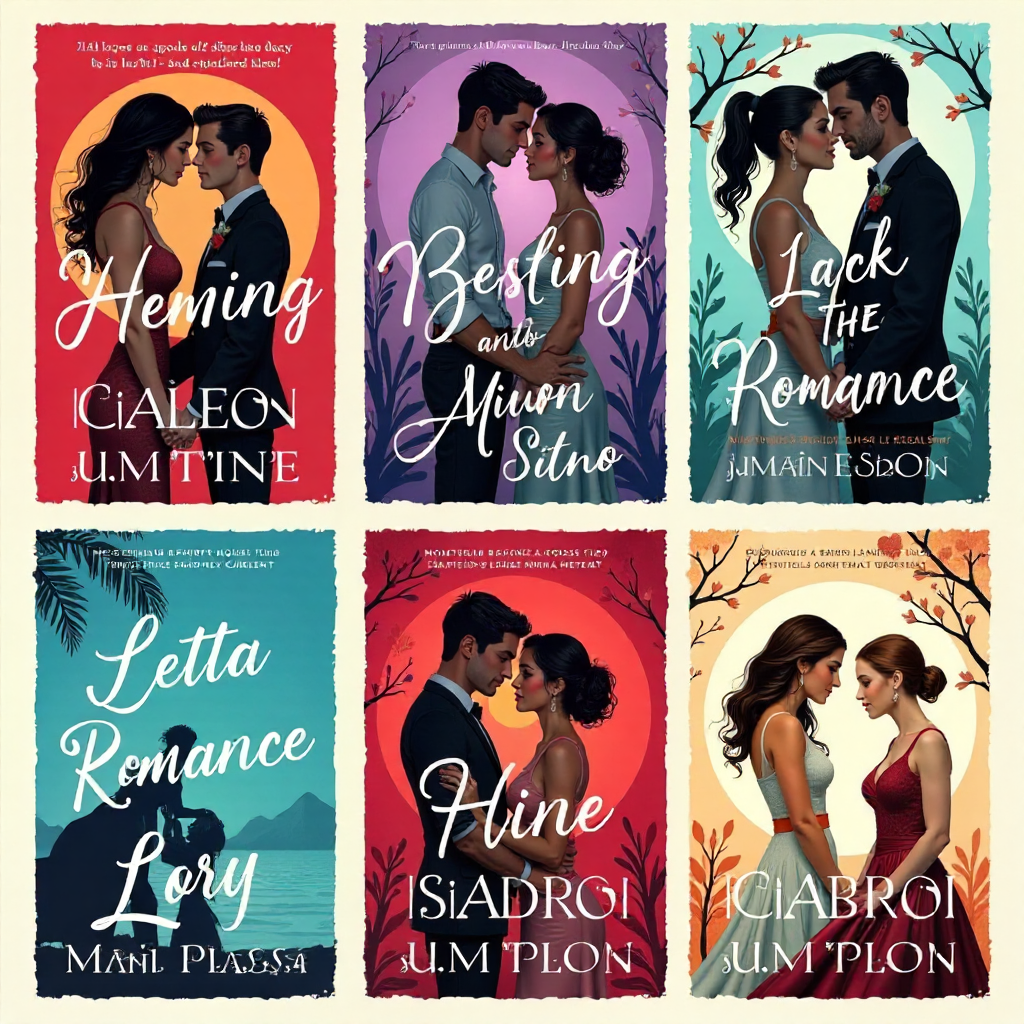
Contemporary romance has flourished by embracing diverse themes, characters, and subgenres reflecting modern life and values. The genre now includes paranormal, erotic, LGBTQ+, multicultural, and interracial romance, appealing to increasingly varied reader demographics.
Modern authors such as Nora Roberts have driven this transformation by crafting series that blend romantic tension with suspense and strong independent protagonists. Contemporary romance often challenges traditional norms by portraying complex relationships and exploring emotional authenticity over idealization.
Subgenres like paranormal romance add supernatural elements, while erotic romance prioritizes sensuality and explicit content. LGBTQ+ romance expands representation, addressing stories of love beyond heteronormative frameworks and drawing in new readers eager for inclusive narratives.
The rise of digital publishing and self-publishing platforms has democratized access for both authors and readers, accelerating publication trends toward quicker releases and niche market targeting. This shift allows emerging voices and experimental storytelling to gain visibility alongside established authors.
Impact of Cultural and Social Movements
Cultural and social movements such as feminism, civil rights, and LGBTQ+ advocacy have profoundly influenced romance fiction by challenging stereotypes and promoting inclusivity. The reason is that these movements encouraged authors and publishers to broaden portrayals of gender, sexuality, and relationships.
Feminist critiques led to more empowered female protagonists who assert agency and reject passive roles. Romance fiction began to reflect complex dynamics of consent, equality, and mutual respect rather than merely idealized courtship.
Similarly, representation of diverse races, sexual orientations, and cultural backgrounds has increased, though challenges remain. Intersectionality has become a key lens through which authors craft narratives that resonate with readers from various identities.
Meanwhile, tropes once seen as romantic—such as "love cures all" or "hero saves heroine"—are now reexamined or subverted to acknowledge real-world complexities. These shifts strengthen the genre’s authoritativeness and trustworthiness by aligning romance fiction with evolving social values.
Current Trends and Future Directions
Current trends in romance fiction include the growth of hybrid genres, diverse voices gaining prominence, and the expansion of interactive formats like audiobooks and serialized web novels. The genre’s future directions point to continued diversification and experimentation with form and content.
Writers increasingly blend romance with thriller, fantasy, or science fiction, attracting crossover audiences hungry for complex storytelling. Emerging voices from underrepresented communities are reshaping reader expectations by prioritizing authentic lived experiences.
Technological advances enable more immersive reading experiences, such as audiobooks narrated by diverse voices and digital-first publishing strategies that connect authors directly with fans. These innovations cater to younger and more digitally savvy demographics.
Nonetheless, traditional elements like emotional arcs and relatable characters remain central, preserving the genre’s core appeal. Balancing innovation and familiarity ensures romance fiction stays relevant and engaging in a competitive literary marketplace.
Why Romance Fiction Endures
Romance fiction endures because it satisfies fundamental human desires for connection, hope, and emotional catharsis. Its ongoing relevance stems from the genre’s ability to adapt themes and characters to reflect evolving cultural norms while maintaining timeless narratives of love and resilience.
The genre’s appeal spans demographics, offering escapism for some, validation for others, and inspiration for all. Romance readers seek stories where characters overcome challenges and find fulfillment, which resonates universally regardless of background.
Moreover, romance fiction acts as a social mirror, capturing changing ideas about relationships, identity, and empowerment. This adaptability keeps the genre fresh and allows it to thrive amid broader shifts in literature and society.
Frequently Asked Questions
What are some timeless romance novels everyone should read?
Timeless romance classics include Pride and Prejudice by Jane Austen, Jane Eyre by Charlotte Brontë, and Wuthering Heights by Emily Brontë. These works offer enduring themes of love, societal pressure, and personal growth that continue to captivate readers.
How has the portrayal of women changed in romance fiction?
Women in romance fiction have evolved from passive figures awaiting rescue to complex protagonists with their own desires, careers, and autonomy. Contemporary romances often depict women as empowered agents of their own stories, reflecting broader feminist influences.
What subgenres of romance are popular today?
Popular subgenres include historical romance, paranormal romance, erotic romance, LGBTQ+ romance, and multicultural romance. Each brings unique themes and settings, catering to diverse reader preferences and expanding the genre’s boundaries.
How do contemporary authors address diversity?
Contemporary authors incorporate diverse characters in ethnicity, sexual orientation, gender identity, and cultural background. They strive for authentic representation and address issues like intersectionality and social justice themes alongside romantic plots.
Why do readers love romance fiction?
Readers love romance fiction for its optimistic portrayal of love’s possibilities, emotional engagement, and escapism. The genre offers stories of hope, connection, and transformation that satisfy a universal longing for meaningful relationships.